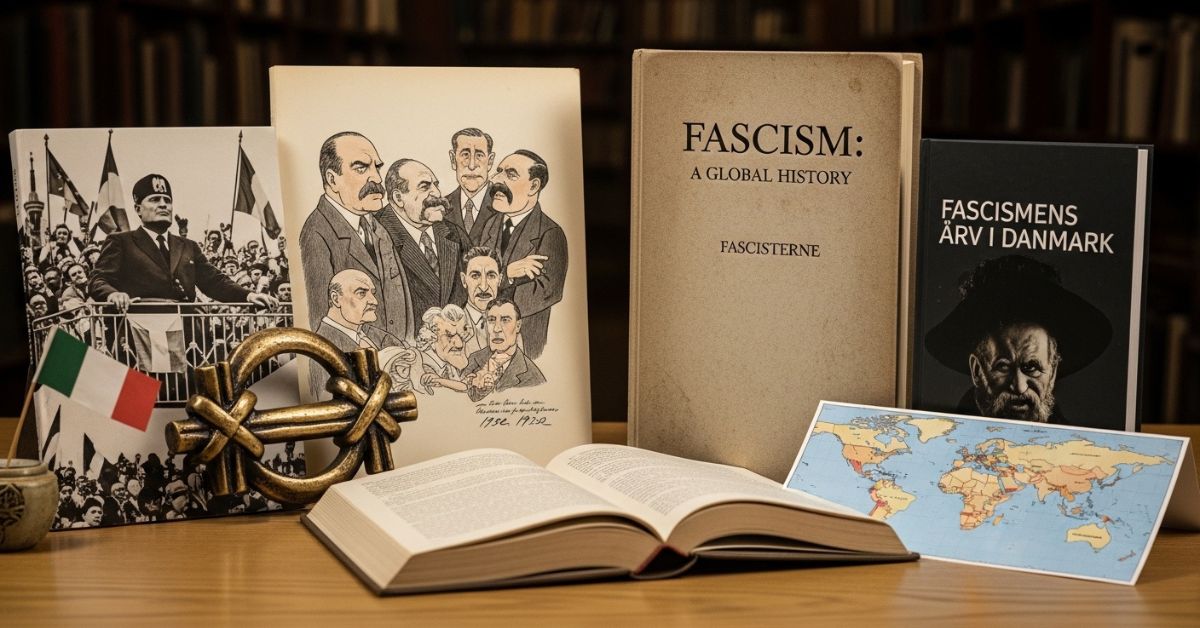
The term fascisterne has sparked debates for decades due to its dual connotations in history and the present day. But is that all it means? A complicated philosophy with its origins in Europe’s turbulent past is summed up by this term. From its ascent in the early 20th century to its reverberations in the contemporary political scene, fascism has remained pertinent. Comprehending this notion entails more than only exploring historical occurrences; it necessitates comprehending how these concepts influence our current reality.
Come with us as we investigate fascisterne’s beginnings, defining features, and enduring influence on modern politics and society. There is a lot to learn about this complex subject, whether you are interested in the historical background or the modern take on it.
A Brief History of fascisterne
The origins of fascism may be seen in the early 20th century, when social and political turmoil swept over Europe. Many extreme ideologies found a welcoming environment in the years following World War I. Fascist movements gained momentum due to economic uncertainty and widespread disenchantment with government.
Under Benito Mussolini’s leadership in Italy, fascism began its quest for national unity via authoritarianism and nationalism. Notable German leaders like Adolf Hitler joined this ideology’s ranks, and it swiftly expanded across Europe.
A heavy focus on militarism, concentrated control, and the repression of opposition were hallmarks of the movement. As fascisterne gained traction, several groups formed, each of which adapted its core principles to fit its own cultural milieu while preserving its overall spirit.
Although they encountered strong opposition, these regimes had achieved their peak by the middle of the twentieth century. It all came to a head during WWII when anti-fascist groups banded together to fight them.
Key Characteristics and Beliefs of fascisterne
Typical traits and ideologies held by fascists, or fascisterne, are easy to identify. The idea of radical nationalism is fundamental to their worldview. By prioritizing national interests over individual liberties, they encourage unfaltering allegiance to the state.
Autoritarianism is another defining feature. In favor of a totalitarian regime headed by an enthralling charismatic figurehead, fascists reject democratic rule. This person represents the nation’s will and uses propaganda to stay in power.
Furthermore, they support military action and hold it in high esteem as a path to national renewal. Belief in being combat ready brings followers closer together.
On a social level, fascisterne adhere to traditional values that place an emphasis on cultural uniformity and the primacy of the family. Diversity, in their perspective, undermines social harmony.
There is a wide range of economic policies, but the common thread is some combination of capitalism principles and governmental involvement. The goal of this combination is to encourage domestic self-sufficiency.
You May Like:Axurbain: Meaning, Concept & Future of Smart Cities
The Rise and Fall of Fascism in Europe
The events following World War I paved the way for the ascent of fascism across Europe. Extremist ideologies flourished in an environment of economic and social instability. Italian dictators like Benito Mussolini pounced on popular dissatisfaction by pledging to restore order and power.
During the Roaring Twenties and the Great Depression, nationalist ideologies like Adolf Hitler’s Nazi Germany gained momentum. Patriotism, militarism, and contempt for democratic procedures were the pillars upon which these dictatorships rested. By imposing totalitarian rule, they hoped to bring their nations closer together.
The disastrous results of this expansionist policy throughout WWII were, nevertheless, inevitable. It was a watershed moment in European history when the Axis forces were defeated. The combined effects of popular opposition and military setbacks caused fascist regimes to fall.
These ideas had to be confronted by post-war Europe. The goal was to prevent the resurgence of totalitarian movements like fascism while simultaneously dismantling its infrastructure.
fascisterne in Modern Times
Surprisingly, fascists have made a comeback in recent decades. Some people in different countries still hold on to the fascist ideals of the early 20th century. Anxieties against immigrants and patriotism are common ingredients in these movements.
In this renaissance, social media is pivotal. It facilitates quick idea sharing by providing forums where people with similar interests may interact. This online environment has made it simpler for extreme ideologies to attract support through the dissemination of misinformation.
It is disturbing to see political parties in certain nations aligning with these views. Capitalizing on popular unhappiness over economic problems and cultural identity crises is their strategy.
A wide range of responses is observed around the world. Governments throughout the world are debating the relative merits of free speech and social responsibility, with some passing stronger laws to combat hate speech. As modern society attempts to make sense of fascisterne, the debate around it is complicated and divisive.
The Impact of fascisterne on Society and Politics
Societal and political changes brought about by fascisterne have been enormous and far-reaching. In the past, it changed the way governments were structured and how nations were seen. Authoritarianism was central to this philosophy, which frequently resorted to stifling criticism in order to preserve power.
The public’s attitude changed drastically in several nations when fascisterne rose to power. Extreme actions against imagined adversaries were widely supported as a result of the mobilization of people by nationalistic fervor. In a military context, the results were catastrophic.
Some of these ideas are still held by different groups across the world today. This strategy is occasionally used by populist politicians to mobilize support through terror.
Political discussions often touch on topics of race, identity, and the role of the government, all of which have their roots in the divisive policies of the past. Democracy and human rights as we know them now are products of these reverberations.
Conclusion
The Fascist era is a contentious and intricate part of human history. The rise of authoritarianism and nationalism in Europe at the turn of the twentieth century was the fertile ground for its development. There was passionate support and fierce opposition as a result of the growth of fascist movements, which stoked heated political debates.
Centralization of power, crackdowns on opposition, and a premium on national pride are hallmarks of fascism. In the years between the two world wars, these principles paved the path for authoritarian governments to take power in many European nations.
Recognizing the zenith of these ideas during WWII and their subsequent steep fall is crucial to understanding their historical course. Even when democracies emerged in the aftermath of World War II, fascist propaganda continued to permeate some segments of society.
In the present day, with growing nationalist emotions in many countries, we can still hear the echoes of fascisterne. There are important concerns regarding diversity, tolerance, and the impact on democratic principles throughout the world that this revival brings up.
Both historical and contemporary discussions of government and civil rights highlight the influence of fascisterne. To promote educated discourse, it is essential to comprehend the origins of populism while debates about liberal democracy persist.
In light of all this, it is clear that our societies are still entangled with old ideas like fascism even as they face the problems of the modern day.
Read More:Axurbain: Meaning, Concept & Future of Smart Cities