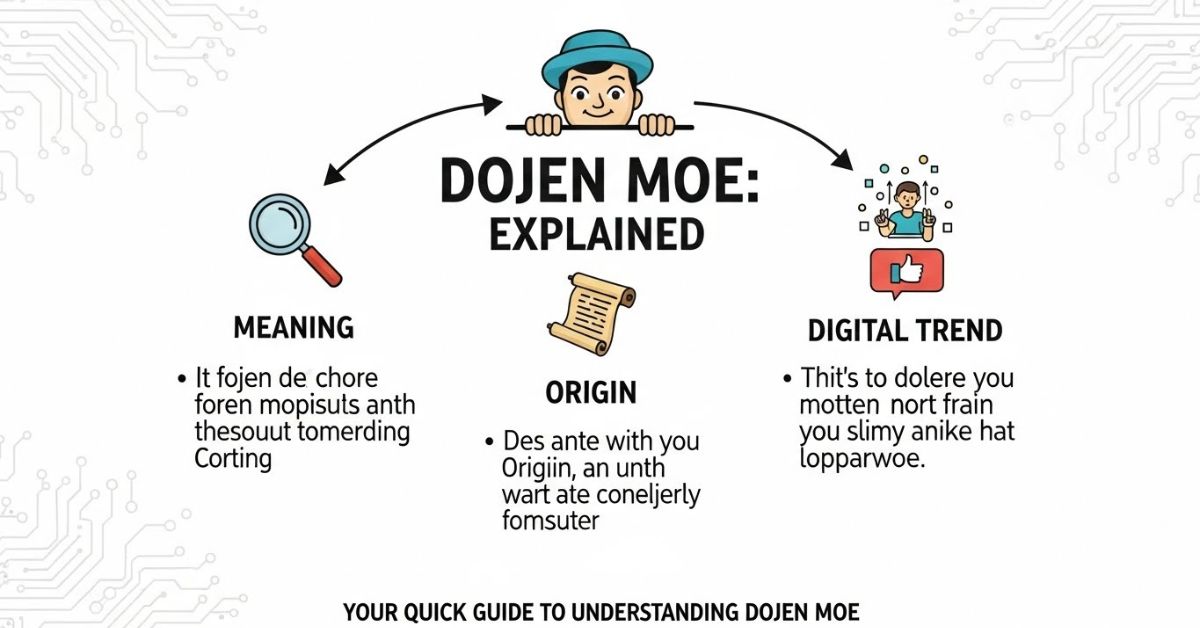
Welcome to the vibrant world of dojen moe, a captivating digital art trend that’s sweeping across creative communities. If you’ve stumbled upon colorful characters with big eyes and whimsical designs, chances are you’ve encountered this enchanting style. Born from the fusion of Japanese pop culture and modern artistic influences, dojen moe is more than just a visual feast—it’s an emerging phenomenon that’s inspiring artists and fans alike. Join us as we explore its origins, understand what makes it unique, and discover how you can dive into creating your own masterpiece in this exciting realm!
Understanding dojen moe and its origins
Dojen moe is a vibrant, expressive art style that thrives in the digital realm. Its roots lie deeply embedded in Japanese culture, particularly within anime and manga aesthetics. The term “moe” refers to an emotional response elicited by cute or endearing characters.
This artistic movement emerged as artists sought to blend traditional techniques with modern technology. As digital tools became more accessible, creators found new ways to emphasize exaggerated features—think large eyes and playful proportions—that embody the essence of cuteness.
Dojen moe also encapsulates themes of fantasy and escapism. It invites viewers into whimsical worlds where imagination reigns supreme. This connection resonates strongly with audiences seeking solace or joy through visual storytelling.
As dojen moe continues to evolve, it reflects not only cultural influences but also individual creativity, making each piece a unique expression of its creator’s vision.
The rise of digital art and its impact on the art world
Digital art has surged in popularity over the past decade, reshaping how we perceive creativity. As technology evolves, artists gain new tools and platforms to express themselves.
The rise of social media has played a crucial role in this transformation. Artists can now share their work instantly with global audiences. This accessibility fosters community and collaboration among creators.
Moreover, digital art challenges traditional boundaries of the art world. It blurs lines between fine art and commercial creations, allowing for innovative crossovers that were once unimaginable.
NFTs have further revolutionized the landscape by providing artists unique ways to monetize their work. Digital ownership adds value while attracting collectors who seek something distinct.
As more people embrace digital formats, it invites diverse voices into the conversation about what constitutes “art.” The impact is profound—changing not just how we create but also how we appreciate artistic expression.
What sets dojen moe apart from other digital art styles?
Dojen moe stands out in the vast landscape of digital art due to its distinct focus on combining cuteness with a sense of nostalgia. This style often features chibi characters, which are exaggeratedly cute and childlike in appearance.
The color palette is another hallmark. Bright pastels dominate, creating an inviting and cheerful aesthetic that draws viewers in. Unlike more traditional or realistic styles, dojen moe embraces whimsy unapologetically.
Narrative elements also play a crucial role. Each piece tells a story, transporting audiences into vibrant worlds filled with emotion and charm.
Moreover, its roots in Japanese pop culture add layers of meaning that resonate deeply with fans around the globe. The fusion of cultural references enhances its appeal while making it instantly recognizable among other digital art forms.
How to create your own dojen moe artwork
Creating your own dojen moe artwork is an exciting journey into the world of digital expression. Start by immersing yourself in the style. Study existing pieces to understand their charm and emotional depth.
Next, choose your software. Programs like Procreate or Adobe Photoshop are popular among artists for their versatility. Experiment with different brushes and textures to find what resonates with you.
Sketch out your ideas on paper first. This allows you to refine character designs and expressions before transitioning to digital media. Focus on creating characters that evoke strong emotions—this is a hallmark of dojen moe.
Once you’re comfortable, dive into coloring! Vibrant palettes can enhance the cuteness factor while maintaining a playful aesthetic. Don’t forget about backgrounds; even simple ones add context to your characters’ stories.
Share your work online for feedback from fellow artists and fans alike! Engage with communities focused on dojen moe art for inspiration and growth.
You May Like:lepbound: Meaning, Uses & Why It Matters
The growing popularity and appeal of dojen moe among artists and fans
Dojen moe is capturing the hearts of both artists and fans alike. Its unique blend of cuteness and expressive emotions resonates deeply with audiences.
As digital art continues to evolve, dojen moe stands out as a vibrant subculture within this realm. Artists are drawn to its playful aesthetics and character-driven narratives, allowing for personal expression through whimsical designs.
Fans appreciate the accessibility of dojen moe artwork, often sharing it across social media platforms. This community engagement fosters a sense of belonging among enthusiasts who celebrate their favorite pieces together.
Moreover, collaborations between creators enhance the appeal of dojen moe. Cross-overs with other styles encourage innovation while maintaining its signature charm.
The growing presence at conventions and online marketplaces further solidifies its place in contemporary art culture. As appreciation for this style grows, so does the excitement surrounding new works from emerging talent in the field.
Dojen Moe artists to watch out for
The dojen moe scene is teeming with fresh talent. Emerging artists are bringing unique perspectives that push the boundaries of digital art.
One standout is LunaMoe, whose vibrant colors and whimsical characters transport viewers into a dreamlike realm. Her attention to detail captures the essence of dojen moe beautifully.
Then there’s PixelPanda, known for blending traditional anime elements with contemporary themes. His work resonates deeply within the community and continues to gain traction on social media platforms.
Don’t overlook ArtByAiko either; her playful illustrations often feature adorable creatures in enchanting settings. Each piece tells a story that invites fans into her imaginative world.
Keep an eye on SketchySora. He combines humor and charm effortlessly in his creations, making them relatable yet fantastical at the same time.
These artists represent just a glimpse of what’s happening in the dynamic field of dojen moe today!
Conclusion
Dojen moe is more than just a fleeting trend; it represents the fusion of culture, technology, and creativity. As digital art continues to evolve, dojen moe stands out with its unique blend of cuteness and emotional depth. The style resonates with many artists and fans alike, creating a vibrant community that celebrates individuality through expression.
As you explore this fascinating world, consider trying your hand at creating your own dojen moe piece. With practice and passion, you’ll find joy in bringing your imagination to life. Artists pushing the boundaries of this style are not only inspiring but also shaping the future of digital art.
The appeal of dojen moe lies in its ability to connect people across different backgrounds while providing an outlet for artistic exploration. Its rising popularity suggests that we may be witnessing the dawn of a new era in digital artistry—one where emotion meets innovation.
Keep an eye on emerging talents who are redefining what it means to create within this genre. Their work might inspire you or lead you down unexpected creative paths.
Embracing dojen moe can open up endless possibilities for both creators and admirers alike as they navigate this captivating digital landscape together.
Read More:lepbound: Meaning, Uses & Why It Matters