Whereas trends may emerge out of nowhere and captivate millions, the internet is both a peculiar and intriguing environment. One such word that has just gone viral on social media is “turkey ifşa.” However, its true meaning is unclear. Then why is it now trending? All across the internet, this popular expression has prompted discussions, arguments, and even disputes. As we explore its background and consequences further, you will find both the lighthearted and serious aspects of this tendency. Sit tight because we’re about to solve the riddle of turkey ifşa!
The origins of the term and its meaning
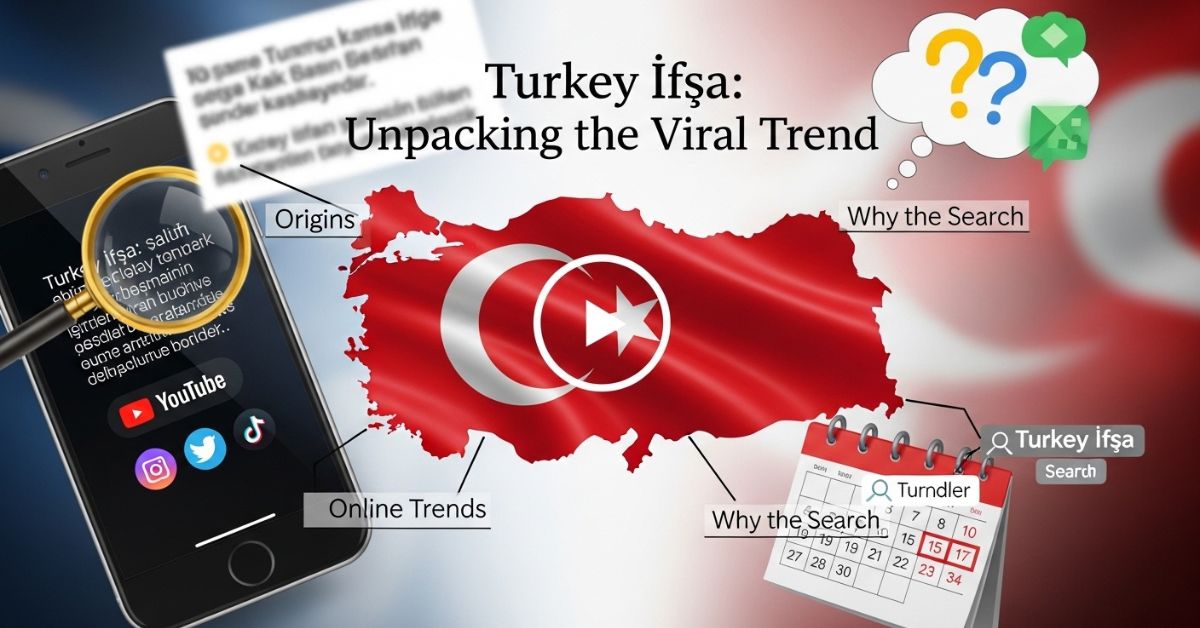
Rooted in Turkish tradition, the term “turkey ifşa” combines the terms “turkey,” meaning the nation, and “ifşa,” meaning exposure or disclosure. An air of secrecy is conveyed by this expression.
Its original usage was in a variety of scenarios pertaining to internet gossip and the disclosure of personal information. The term eventually become more generic language associated with online conversations.
Turkey ifşa is about more than simply small talk; it’s about revealing hidden realities that some may like to keep hidden. This word gained popularity in the digital era as people started using it in a funny way while simultaneously drawing attention to important societal concerns related to privacy and consent.
How the term became a viral trend on the internet
In only a few short weeks, the phrase “turkey ifşa” became ubiquitous online. The phenomenon’s meteoric ascent is attributable to the prevalence of trending and viral material on numerous social media platforms. Twitter, Instagram, and TikTok were inundated with memes, which piqued the interest of people.
The phrase’s casual use by influencers in their postings was crucial. People started talking about what it meant and what it may signify. Many were eager to get on the #turkeyifşa bandwagon, and the hashtag soon became trending.
Discussions became really heated as more people started talking about it online. In addition to comedic commentary on the trend, discussions arose on digital ethics, consent, and privacy. The combination of serious topics with humorous commentary added to “turkey ifşa” appeal to a wider range of users.
Friends would post videos or articles that included the phrase, building curiosity without giving too much away at first, which contributed to its popularity.
The controversy surrounding turkey ifşa
Many people are really upset over the word “turkey ifşa” on the internet. Without completely grasping the context, many users investigate its consequences. As a result, people get quite angry and start arguing on various social media sites.
Critics of the movement say it normalizes bullying and humiliation. They show how foolish people may be manipulated by spreading false information. Some people just view it as a way for people to be free online.
But the ridiculousness of this contentious word is what really draws people in. People all around the internet have different reactions when you blend comedy with serious topics.
The ethical limits of these tendencies in an ever more interconnected society are a topic of heated controversy. Do we have to stand up to possible danger or are we just here to enjoy the mayhem?
You May Like:Axurbain: Meaning, Concept & Future of Smart Cities
The truth behind the viral term turkey ifşa
Online debates around the phrase “turkey ifşa” seem to go on and on. Although many people think of pornographic material when they hear it, the truth is more complex.
“Ifşa” means “expose” in Turkish itself. The word “turkey” implies the disclosure of facts about Turkey when used together. At first, it was only a fad among young people, but word spread fast on social media.
Some users have taken use of this phrase to shock others by fabricating stories about intimate experiences and stories that do not belong to them. Because of this abuse, its original meaning has been completely warped.
A crucial issue emerges from the middle of this mayhem: what is being disclosed, exactly? The internet is a breeding ground for sensationalism, which frequently trumps more substantive discussions of modern Turkish society and culture. In order to find the real tales underlying this viral phenomena, users will need to painstakingly wade through all the noise.
Conclusion
The unique mix of cultural background and current online dynamics has caught people’s attention in the rise of the word turkey ifşa. It exemplifies a rising tendency in which certain expressions are amplified on social media, frequently resulting in extensive interest and debate. User awareness and critical thinking are prerequisites for successfully navigating the complexity of this phrase and similar viral phenomena.
By learning the meaning of turkey ifşa, we may better understand not only this particular phenomena but also larger trends in internet culture. Although it may have begun as a harmless fad, the various interpretations that have developed reveal the potential benefits and drawbacks of our relationships with one another online.
Recognizing how rapidly opinions may change in today’s hyper-connected society, it is crucial to be knowledgeable with terminology like turkey ifşa in order to promote civil conversation on social media.
Read More:Axurbain: Meaning, Concept & Future of Smart Cities