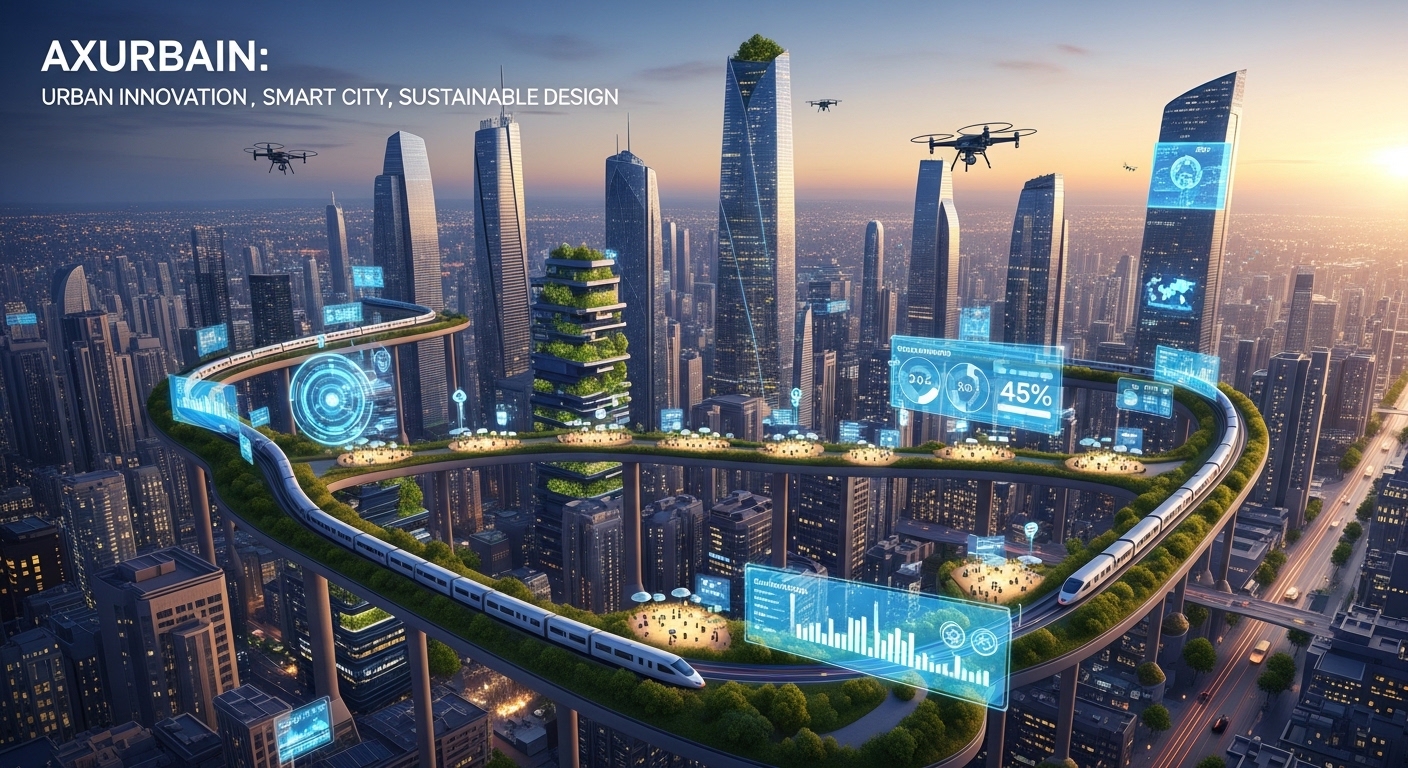
Envision a city where people can use technology, be environmentally conscious, and yet feel connected to their neighbors. Welome to the age of smart cities, when technological advancements elevate the ordinary to the remarkable. Axurbain, a notion reshaping human interaction with the natural world, is in the front of this transformation. It is more important than ever to comprehend Axurbain and its significance for the future of city design due to the ever-increasing urban populations. Come along as we investigate Axurbain and its features, real-world applications, obstacles, and future prospects within the fascinating realm of smart cities.
Understanding the Concept of Smart Cities
The concept of “smart cities” is an ambitious plan for city life that makes use of data and technology. By making better use of available resources, they want to raise the standard of living for locals.
From energy use to traffic patterns, these cities collect data via interconnected gadgets, sensors, and software. City planners may make well-informed decisions that are beneficial to all thanks to this data-driven approach.
Public transportation, garbage collection, and the use of renewable energy sources are all improved in smart cities. Lively communities are characterized by feedback loops that promote citizen interaction in real-time.
Furthermore, this idea’s foundation is sustainability. A healthy atmosphere is promoted for all inhabitants of smart cities by combining green areas and eco-friendly infrastructure. Our aim is to design harmonious living places that seamlessly integrate technology with human requirements, going beyond mere modernity.
Key Features and Benefits of Axurbain
Axurbain represents a fresh approach to city life. It improves people’s quality of life by incorporating cutting-edge technology into metropolitan infrastructure.
Sustainability is one of its standout features. Efficient energy systems maximize efficiency while minimizing environmental impact. Reducing carbon footprints and promoting healthier habitats are the goals of this environmentally conscious strategy.
In addition, Axurbain improves connection by use of Internet of Things devices. Better and safer travels are possible thanks to these networked technologies that centralize traffic control.
Public safety is enhanced, which is an additional advantage. Quick action is guaranteed in critical circumstances with integrated surveillance and emergency response technologies.
Innovation in Axurbain ecosystems is a magnet for both enterprises and talent, leading to robust economic growth. As a result of the smart city framework’s effective deployment of resources, local economies are boosted.
Citizens are given the opportunity to actively alter their environment through community involvement tools that allow for feedback.
You May Like:axelanote: PDF Annotation Tool for Easy Digital Markups
Case Studies: Successful Implementation of Axurbain
The axurbain approach is being used by cities all over the world to make city life better. As an example, consider Barcelona’s public transportation system, which has smart technology built into it. Efficiency and congestion have been greatly enhanced by the use of sensors and real-time data.
Green buildings and effective waste management systems are examples of how axurbain principles encourage sustainability in Singapore’s Smart Nation plan. A cleaner environment and more civic participation have resulted from this endeavor.
On the other hand, Amsterdam has some really cutting-edge bike-sharing programs that, when paired with smartphone apps, make getting around the city a breeze. Reducing dependency on autos and strengthening community relationships are both achieved with an emphasis on user experience.
The various approaches taken by cities within the axurbain framework are illustrated by these case studies. The dedication to enhancing the quality of life for inhabitants while efficiently tackling urgent urban concerns is demonstrated by each success story.
Challenges and Criticisms of Smart Cities
Though they are full of potential, smart cities nonetheless confront formidable obstacles. Concerns about the digital gap are significant. The fact that not everyone has the same opportunities to use technology or go online might make current disparities worse.
Concerns about personal privacy are another major source of dispute. Some locals may be worried that their privacy is being invaded by the government’s enhanced data collecting and monitoring efforts. An important concern is the lack of transparency about the usage of this data.
Also, funds could grow a little tight when smart city technologies are expensive to adopt. Finding sources of revenue that won’t have a negative effect on taxpayers is a challenge for many towns.
Additionally, public participation is frequently inadequate, as individuals might not completely grasp or endorse these endeavors. Building trust in communities requires open and honest discussion of the potential advantages and disadvantages.
Preventing the emergence of new issues while resolving existing ones requires a focus on environmental sustainability. On a worldwide scale, urban planners still face the difficulty of balancing development with accountability.
Conclusion
We are witnessing the emergence of a more intelligent future for city life, spearheaded by ideas like Axurbain. We can improve the quality of life for inhabitants and tackle important challenges like efficiency and sustainability by using technology into municipal planning and infrastructure.
The goal of developing “smart cities” is to build communities where people want to live because they are both practical and pleasant. Key aspects of Axurbain, such improved public services, renewable energy solutions, and real-time data analytics, highlight its possible advantages. When put into practice effectively, these technologies have the potential to lessen the burden of traffic, save energy expenses, and enhance public participation.
The implementation of smart city technology, however, is not without its obstacles. For cities’ projects to be successful in the long run, they need to solve problems with digital fairness, high implementation costs, and privacy. One common point of criticism is the potential for certain projects to cause unanticipated socioeconomic inequalities or heightened monitoring.
Stakeholders, including governments, IT businesses, and residents, must work together efficiently as we approach the new urban frontier led by Axurbain. Dynamic urban environments that adequately address contemporary society’s requirements may be created by welcoming innovation while simultaneously guaranteeing inclusion.
Every step forward in the quest to realize fully integrated smart cities delivers significant insights that might guide future advancements; the road is never-ending. To build resilient cities that can handle tomorrow’s problems, we need to know the benefits and drawbacks of Axurbain principles now.
Read More:axelanote: PDF Annotation Tool for Easy Digital Markups