To a large extent, we fail to recognize the pervasive impact that design has on our everyday lives. A word that has been making waves in the realm of design is “acamento.” Modern architects and interior designers must give serious thought to this novel idea because of the harmonious combination of form and function it represents. But what is the true meaning of acamento? Why is it now considered a cornerstone of contemporary style? Learn about the fascinating background of it, its use in modern interior design and architecture, and how to easily apply it to your own projects in this informative blog post. You are about to find out why acamento is more important than ever!
History and Origins of Acamento
The foundation of Acamento is found in classically balanced forms and functions, which are hallmarks of traditional design. Its roots may be traced to a number of civilizations that valued spatial and architectural harmony.
Everything had a functional and aesthetic purpose in these cultures. What we currently know as acamento has its origins in this method.
Modernism and philosophical alterations in design have had an impact on the term’s development over the years. Acamento, which emphasizes minimalism without compromising beauty, came into clearer foreground with the emergence of minimalist aesthetics.
Acamento arose as a guiding philosophy as designers strove to create places that were appealing and useful, integrating historical traditions with current demands. For those who want to create spaces that speak to people on more than one level, it is now an indispensable resource.
The Role of Acamento in Modern Design
By skillfully combining form and function, Acamento is an indispensable component of contemporary design. This idea highlights the balance between form and function, making for aesthetically pleasing and functional places.
Acamento challenges modern architects to consider factors beyond aesthetics. It encourages them to investigate materials that improve longevity and aesthetics. This method guarantees that sustainability is prioritized while leading to creative space utilization.
Acamente is also quite useful in interior design. The result is spaces where everything fits together nicely and has a specific function. Designers may make spaces feel more inviting and evocative by carefully combining different materials and colors.
This ideology has an impact on both business and residential places, proving that it knows no bounds. By embracing acamento, contemporary designers may put the needs of their users first without compromising their ability to express themselves creatively.
Examples of Acamento in Architecture and Interior Design
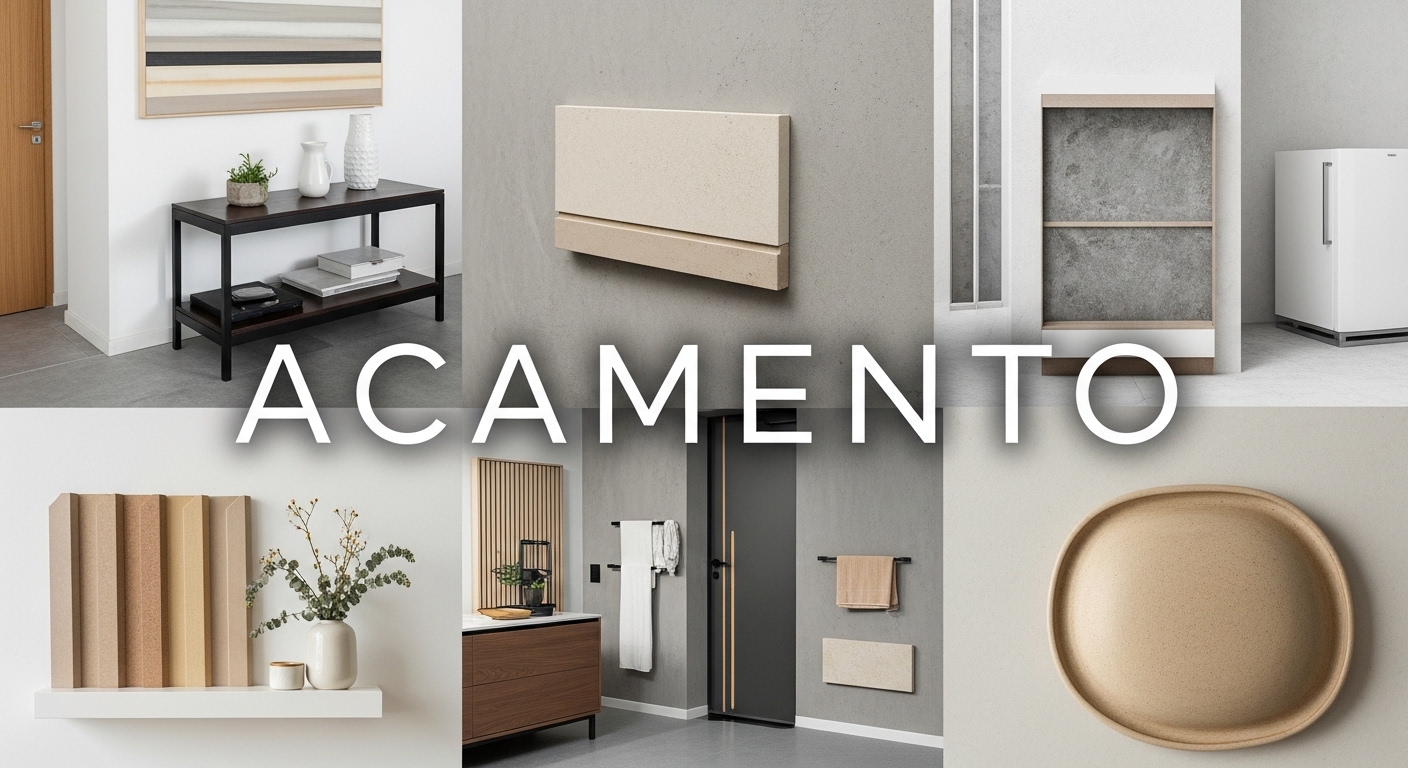
You may find it, an intriguing design feature, in a wide range of interior and architectural projects. Modern houses often make use of it, which is both structurally important and aesthetically pleasing, as an eye-catching example.
Complex it’s patterns may be seen on walls of modern buildings. These designs frequently combine classic details with contemporary accents, making for a warm and welcoming space.
It is a popular material for interior design statement items like bespoke cabinets and one-of-a-kind furniture. The textured surfaces give spaces a more personal touch by adding dimension and personality.
The adaptability of acamento is also on display in public places. This design style is commonly used by museums and galleries to improve the exhibits and create visually appealing spaces that encourage people to appreciate art and culture.
This diverse array of applications highlights the widespread appeal of it in modern interior and architectural design.
You May Like:axelanote: PDF Annotation Tool for Easy Digital Markups
Benefits and Advantages of Incorporating Acamento into Design Projects
A new viewpoint may be brought to design efforts by including it. It improves aesthetics, making rooms that are more attractive in addition to being practical.
Academico encourages originality by bringing together seemingly unrelated ideas. Designers have the freedom to experiment with different textures and materials to create pieces that reflect contemporary style.
Versatility is another perk. No matter how diverse or minimalist your style is, Acamento can accommodate it. Both residential and commercial projects can benefit from this adaptability.
In addition, acamento can enhance one’s ability to perceive space. The way light interacts with a room may be transformed with careful layout, creating the illusion of more open or welcoming spaces.
It frequently has positive effects on sustainability as well. Designers may showcase their skill while also contributing to eco-friendly practices by using local materials or reusing old ones.
Individualization in design initiatives is further fostered by this method. Customers love rooms that are uniquely theirs while yet serving their practical needs.
How to Use Acamento in Your Own Designs
You may improve the look and practicality of your designs by using acamento. Determine where in the room you want people to look first. Make sure that all of the components harmonize with one another, as acamento is all about harmony.
To enhance visual appeal, use a variety of textures and materials. Mixing materials like wood and metal or cloth and glass may create striking contrasts. Any room is given depth and personality by this layering.
Feel free to use vibrant colors as well. A bold accent wall may serve as a backdrop, drawing the eye and establishing the mood without competing with other design features.
When displaying acamento characteristics, lighting is of the utmost importance. To set the mood and draw attention to certain features of the design, make good use of natural light sources and supplement them with well-placed lighting.
As you include these components into your applications, remember to prioritize functionality at all times. Great designs strike a balance between form and function.
Conclusion
Acamento is a philosophy that combines form and function, not only a design phrase. This idea clearly has strong antecedents in established architectural practices when we delve into its background and development. The way it has developed throughout the years demonstrates how important acamento is to modern design.
Acamento is an essential component of contemporary design since it improves areas without sacrificing their function. Its ability to combine aesthetics and practicality is much admired by designers. Various instances of acamento, ranging from modern urban flats to more rural dwellings, showcase its adaptability and enduring charm.
There are a lot of benefits to using acamento. Without compromising on practicalities, it cultivates an atmosphere where creativity may flourish. In addition to improving the aesthetics, this method makes people feel more connected to the places they visit.
Learning the tenets of acamento is essential for those planning to use it in their own projects. Think about the interplay of materials or the effects of light on space as a first step. You may learn to make designs that speak to people on many levels by trying different things.
When it comes to architecture and interior design, embracing acamento gives up new opportunities for innovation. It encourages designers to reconsider established limits and create meaningful experiences for people. We can learn more about what makes places seem lively and welcoming with each new endeavor.
Read More:axelanote: PDF Annotation Tool for Easy Digital Markups