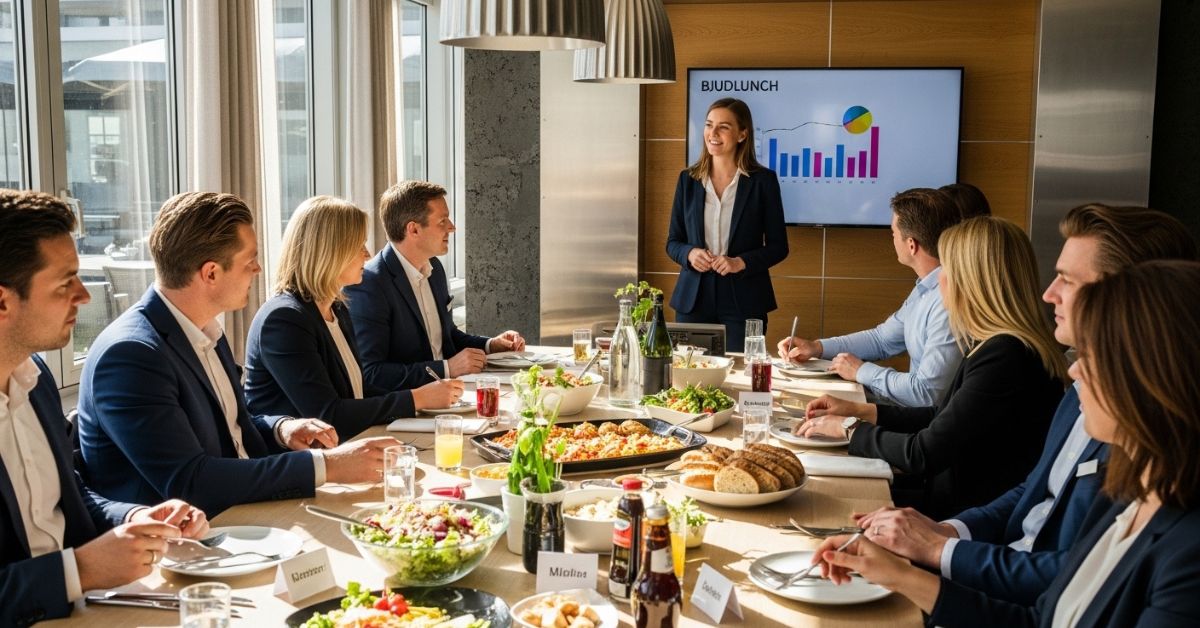
You might have seen the slang term “bjudlunch” floating around social media recently. Rather than being a simple lunch, this hip idea is an immersion in gastronomy, culture, and community. It is a new way to connect over food that has developed as a refreshing alternative to traditional methods of social engagement and workplace evolution. If you want to know when this trend began or want to know how to throw your own bjudlunch, you’ve come to the perfect spot. Now, let’s explore the unique aspects of bjudlunch!
How did bjudlunch become a trend?
The original concept of it was to combine eating with mingling with friends and family. The idea of inviting coworkers or friends for lunch grew popular in Sweden, where it gathered momentum. “Invite lunch” is the literal translation, highlighting the importance of friendship.
A major factor in its ascent was the influence of social media. Bjudlunch parties, complete with colourful spreads and interesting guests, started getting shared online by influencers and foodies. The eye-catching design piqued people’s interest, which led to the creation of like events.
People looked for ways to stay in touch when they were separated due to the pandemic’s impact on remote work. In place of stuffy business lunches, Bjudlunch provided a more relaxed setting for employees to mingle and build relationships.
It didn’t take long for the fad to leave Sweden, blending into other cultures all around the globe without losing its essential spirit: enjoying delicious food with wonderful people.
The Benefits of bjudlunch
A lovely method to combine socialising with food is Bjudlunch. As a result, people are more likely to get to know one another, which promotes community formation.
Sincere discussions flourish in the laid-back setting. Sharing a meal encourages people to relax and open up, which can lead to long-lasting friendships.
Exploring other cuisines is another advantage. To pique their visitors’ interest and foster a love for food, hosts might demonstrate their culinary prowess or expose them to different cuisines.
Businesses might benefit from bjudlunch as a networking tool. Staff members are able to bond more closely as a team and build stronger professional ties in a more relaxed atmosphere.
In addition to promoting healthy eating habits, this movement highlights the importance of prepared meals over fast food. Better nutrition for all parties is a direct result of the focus on fresh foods.
Making food at home and sharing it with others is a great way to save money and have a more communal eating experience than going out to restaurants.
How to Host a Successful bjudlunch Event
It takes imagination and preparation to host a bjudlunch event well. Choosing a welcoming space that encourages warmth and connection is the first step.
Then, in keeping with your concept, put together a meal. To accommodate different dietary needs, include a variety of meals. Flavour combinations are great conversation starters and can elevate any meal.
Decorate with care to establish the mood. Fresh flowers or low-lighting are easy ways to make a space feel more inviting.
Participation is essential, so plan icebreakers or activities that get people to mingle. As a result, ice is broken and conversations are encouraged.
Send out invitations on schedule and keep track of RSVPs to make sure everything runs well. Build excitement for your bjudlunch by sending out follow-up reminders!
You May like:oncepik: Meaning, Uses & Benefits
Bjudlunch in Different Cultures
Despite its origins in Swedish culture, Bjudlunch has an intriguing impact on many other cultures. In Sweden, it represents welcoming guests and sharing a meal together. Sharing a meal with friends is a great way to bond via shared experiences and good cuisine.
Sharing a meal is a fundamental social norm in Italy. Long meals brimming with mirth and anecdotes are a way for Italians to commemorate being together. Serving food in a family format promotes conversation while dining.
At the same time, Japanese customs place an emphasis on being seasonal and uncomplicated. Delightful, artfully presented sushi or fresh, in-season veggies could be part of a bjudlunch.
Every culture brings its own special flavour to group meals. The core principle is the same: building relationships via shared dining experiences. From garlic bread in France to spicy curries in India, bjudlunch brings people together through flavourful culinary traditions that span continents.
Criticisms and Controversies Surrounding bjudlunch
A lot of people have spoken nasty things about Bjudlunch since it’s becoming more popular. The idea that one must be part of the “in” group to enjoy this trend has some critics who say it encourages exclusivity. Discord among friends and coworkers could result from this view.
Food waste is another criticism raised by detractors. Sustainability and responsible consumerism become issues due to the large amount of waste produced by these activities.
Furthermore, there are those who hold the view that bjudlunch water down traditional lunch rituals. Concerned that this contemporary spin would obscure significant cultural practices related to communal eating, they voice their concern.
The scrumptious food served at bjudlunch parties has health experts worried. The emphasis on ostentatious food may promote bad eating habits instead of healthy eating.
Conclusion
In today’s society, Bjudlunch has established itself. This movement is about more than simply eating; it’s about coming together as a community and enjoying something common. Bjudlunch is a new take on conventional lunch that caters to people’s growing desire for social interaction.
The positive effects on relationships, creativity, and productivity in work environments are obvious. Bjudlunch promotes conversation and teamwork by bringing people together over delicious cuisine.
Planning beforehand makes hosting a successful bjudlunch a breeze. All it takes is picking the perfect location, assembling a varied cuisine, and adding some interactive features to make it very memorable for attendees. The fundamental principle of community meals has been preserved, but several civilisations have adopted it in their own special ways, tailoring it to their culinary traditions.
But complaints are levelled against every trend. The commercialisation of these events has some critics who worry it may water them down or perhaps lead to classism.
As we explore different ways of looking at bjudlunch in different countries and settings, it becomes clear that this phenomena speaks to our universal longing for shared meals. Whether your goal is to deepen professional connections or to just spend quality time with loved ones, adopting bjudlunch may pave the way to more memorable occasions.
Read More:oncepik: Meaning, Uses & Benefits