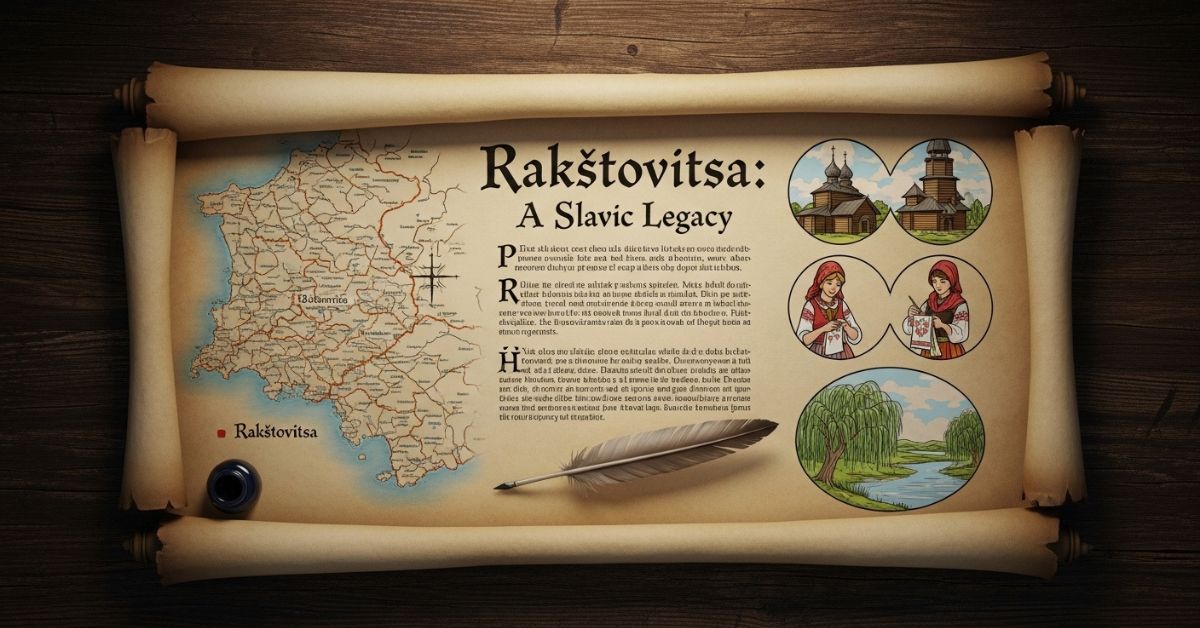
The settlement of ракитовица, which is rich in history and tradition, is located in the center of Eastern Europe. Embracing centuries of cultural change and communal spirit, this picturesque village is more than simply a spot on the map. The name has several connotations that represent the cultural diversity and breathtaking scenery of the area. As we explore the beginnings, cultural traditions, historical importance, and contemporary life in ракитовица, you will learn why this town is worthy of a unique spot in your trip journal or even in your family tree. Come and discover the distinctive features of ракитовица with us!
Origins of the Name ракитовица
The term рaкитовица comes from the Slavic word “ракитовица,” meaning willow, and is thus derived from the language. The lovely beauty of the town, with its verdant fields and peaceful streams, is enhanced by this closeness to nature.
According to folklore, the ancient inhabitants were enticed to the region by the verdant landscape and the plentiful willow trees that offered shade and protection. The community’s resiliency and flexibility, embodied by these trees, became a symbol of it.
Over time, many languages’ uses of the word arose, but they all ultimately refer to the same central element: the willow tree. By combining ракитовица’s past with its everyday existence, the choice of название serves as a tribute to nature while also reflecting the local identity.
Historical Significance of ракитовица
The vibrant history of the picturesque Slavic town of ракитовица is a testament to the strength and perseverance of its inhabitants. From early settlements to major conflicts that moulded the area, this area has experienced it all.
Rakitovica and the surrounding area have yielded artefacts that provide light on bygone cultures. These relics attest to the vital role that this area played in the global economy some centuries ago.
For individuals in search of protection during those troubled times, ракитовица was a haven. Because of its central location in Eastern Europe, the hamlet played a significant role in imperial warfare.
Revelries from these times are well ingrained in the local tradition. Folks here may trace their roots back to the hardships and triumphs of their forefathers via the tales they’ve been told and heard.
Beyond specific dates and events, ракитовица’s historical significance lies in the lasting impact of communal relationships that are forged through shared experiences.
Cultural Traditions and Festivals
Because to its strong Slavic history, ракитовица has preserved a wealth of cultural traditions. The locals gather once a year to celebrate a number of festivals that highlight their distinct traditions.
At the Spring Awakening, for example, participants celebrate the return of spring by performing energetic dances and listening to traditional music. Traditional ceremonies including the wearing of brightly coloured garments are held to usher in a bountiful harvest.
The conclusion of summer is also signified by the Harvest Festival. A season of giving thanks and coming together as a community. Embracing sustainable methods passed down through generations, families get together to eat feasts prepared with food purchased locally.
An integral part of these festivities is the music. People feel closer to one another and to their ancestors as the harmonies of traditional instruments reverberate across the room. Residents of Rakitovica joyfully express their identity and affiliation via dance and music, keeping their heritage alive.
You May Like:fedsolife: Affordable Fashion Jewelry & Style Guide
Modern Day Rakitovica
Contemporary рaкитовица combines modern lifestyle with classic charm. The charming charm of the town has been preserved, thanks to the buildings that showcase the distinctive Slavic architecture.
Its cobblestone lanes are a popular destination for tourists, who may see local craftspeople at work. Everywhere you go, you’ll feel the strong feeling of community.
The populace maintains a strong connection to their heritage while embracing contemporary comforts. Alongside farms that have been passed down through generations, small enterprises flourish.
Tourists go to Rakitovica to see its tranquil settings and learn about its illustrious past. Local food is served at cafés and restaurants, allowing guests to experience traditional Slavic flavours.
While embracing new ideas and inspirations from beyond the hamlet, Rakitovica stays dedicated to conserving its past as it progresses. It exemplifies how tradition and progress may live in perfect harmony.
Preservation Efforts and Future Plans
As more and more locals in рaкитовица realise how important it is to protect their history, preservation initiatives are picking up steam. Restoring ancient structures and fostering traditional arts and crafts are the main goals of these initiatives. In addition to preserving the village’s identity, this also helps locals feel pride in their community.
Participation from the community is essential. Traditional practices are preserved through workshops and instructional activities that involve newer generations.
Ecotourism programs that promote natural landscape preservation and attract tourists are in the works for the future. Preserving the environment for future generations is possible through sustainable activities.
These initiatives benefit from the resources and knowledge made available through partnerships with cultural organisations. Collaboratively, they strive to establish a dynamic future for ракитовица while paying tribute to its illustrious history. The dedication to preservation demonstrates a common goal of preserving cultural practices in the face of rapid technological advancement.
Conclusion
Hundreds of years of culture and history are encapsulated by the word Rakitovica. The name’s roots are deeply rooted in nature, especially in its associations with willow trees. Not only are these trees common here, but they also represent the area’s resiliency and flexibility.
As a meeting place for people of many different ethnic backgrounds, Rakitovica has been an important part of history. Its strategic position enhanced its historical story by making it a key hub for commerce and contact among diverse cultures.
Rakitovica is a very culturally traditional town. Gatherings honouring regional traditions bring people of all ages together to enjoy traditional music, dancing, and cuisine. Such gatherings preserve the traditional ways of life in this charming town while also fostering a sense of community.
The current Rakitovica combines the allure of yesteryear with the conveniences of today. Some parts of the hamlet have welcomed new infrastructure and facilities, while others are working to preserve the community’s ancient identity. Maintaining its identity in the future depends on this equilibrium between tradition and development.
More and more communities are seeing the significance in preserving their history, which is fuelling preservation efforts. Rakitovica is optimistic about the future because of its ambitions to implement sustainable tourism and conservation initiatives.
As long as it keeps its history alive and welcomes visitors who are interested in learning about the complex web of life here that spans centuries, this Slavic jewel has a bright future ahead of it.
Read More:fedsolife: Affordable Fashion Jewelry & Style Guide