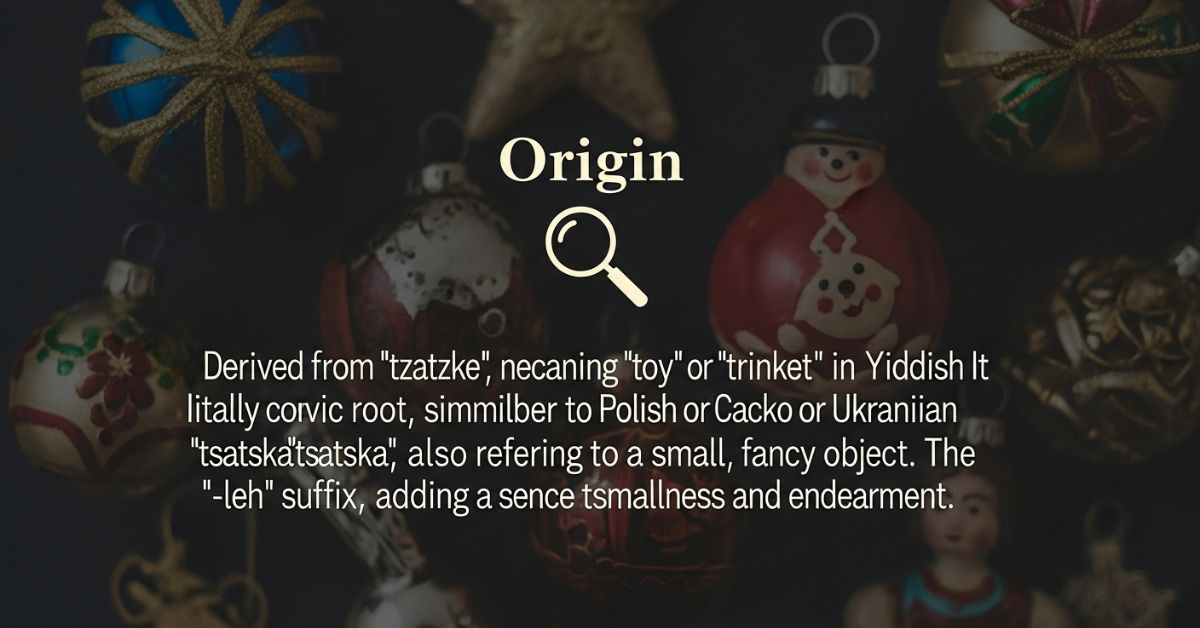
A beautiful waltz of flavours and cultures, tzatzkeleh is more than a mere word. This one-of-a-kind word perfectly describes the taste of traditional food that has been passed down through many nations and generations. Coming from a variety of ethnic origins, It represents more than just flavour; it also represents belonging, history, and common ground. As we delve into its history and relevance, you’ll see how this meal has become more than just food—it has become a symbol of unity in many cultures. Your taste senses will be grateful as you delve into the intriguing history of it.
The cultural origins of tzatzkeleh
The origins of tzatzkeleh are profoundly rooted in the Mediterranean, particularly in the cuisines of the Middle East and Greece. The diverse range of flavours in this meal illustrates the diverse array of ethnic influences.
In the past, tzatzkeleh was frequently made in preparation for parties and other social events. Yoghurt, herbs, and spices were common components, albeit they differed by area. These are foods that are beloved by people of many cultures.
It became more than just food in communities where family recipes were passed down; it was a symbol of unity. Everyone gathered together to blend flavours and share tales as the cooking process began.
The popularity of it increased alongside the expansion of trade routes. Each component of this fusion dish tells a story of migration and adaptation within culinary traditions, as it incorporates flavours and ingredients from nearby locations.
How it is used in different cultures
Throughout the Mediterranean, It is a staple in many different cuisines. It goes well with grilled meats and fresh veggies in Greek cuisine. The smokiness is beautifully offset by the creamy mouthfeel.
Tzatzkeleh in Turkey might be a little bit different, with the addition of specific regional spices and herbs. At parties, it’s the perfect dip for meze platters or to go with pita bread.
However, there is a great deal of diversity in the Middle Eastern nations. A refreshing side dish, it is perfect for celebrations and family gatherings. When served with fragrant rice or hearty stews, it is a popular accompaniment.
Tzatzkeleh has evolved through the ages to reflect local flavours and ingredients. Not only does the dish’s adaptability demonstrate its popularity, but it also exemplifies its capacity to bring people together via shared flavour sensations and communal dining.
Common misconceptions about tzatzkeleh
The common misconception is that it is just tzatziki with a twist. Although they both use some of the same ingredients, tzatzkeleh is cooked and tastes very differently.
Another common misunderstanding is that it’s best enjoyed as a dip. Grilled meats and salads aren’t the only things that tzatzkeleh can improve. Its adaptability is frequently overlooked.
Contrary to popular belief, traditional recipes in certain locations call for sour cream or even tahini as a basis, rather than yoghurt. Its adaptability helps explain why it appeals to people of many cultural backgrounds.
A common misconception is that it can only be found in Mediterranean cuisine. It is a popular dish in many different cuisines throughout the world, and each one brings its own unique flavour to the table. By embracing these subtleties, a more complete image of tzatzkeleh may be painted.
You May Like:messonde: What It Means & Why It Matters Online
Modern interpretations and adaptations of tzatzkeleh
The varied culinary traditions and modern palates are frequently reflected in updated versions of tzatzkeleh. Avocado and roasted red pepper are just two examples of the new flavours that chefs are experimenting with. These modern touches bring the classic flavours of it into the modern era.
Even fusion cuisine has taken to this meal. Tacos and sushi rolls both have tzatzkeleh as a condiment. Its adaptability and compatibility with different cuisines are highlighted by these changes.
Even home cooks are getting in on the action, with some even making their own versions that cater to certain nutritional needs. Using plant-based yoghurt replacements that don’t skimp on flavour, vegan choices are booming in popularity.
These updated versions of tzatzkeleh have gone viral thanks to social media. Creative presentations and one-of-a-kind recipes shared by food gurus encourage viewers to try this classic meal in different ways. As a result, modern kitchens throughout the world are experimenting with new ways of combining tradition with innovation.
The impact of tzatzkeleh on today’s society
Incorporating tzatzkeleh into contemporary culinary experiences has allowed it to transcend geographical boundaries. It has become a favourite in many different types of restaurants due to its rich flavour and distinctive texture.
Tzatzkeleh is beloved by food enthusiasts worldwide for more than only its flavour; it also holds cultural importance. At social events like dinner parties, festivals, and meetings, it starts a discussion about family history and customs.
The spread of the tzatzkeleh recipe on social media has been crucial to its success. Those looking to broaden their culinary horizons may find this meal appealing because Instagram feeds are brimming with colourful photos of it.
Fusion cuisine frequently features tzatzkeleh as well. Chefs try new things by adding it to other recipes, reworking old favourites while keeping the flavour.
The increasing acceptance of diversity in culinary expression is a reflection of this shift in social norms. Tzatzkeleh is a tasty symbol of the personal and societal connections that bind us all.
Conclusion
Tzatzkeleh represents more than simply food; it is an emblem of heritage, custom, and the complex web of human relationships. Tzatzkeleh has changed while retaining its core, from its ancient beginnings to current versions.
As we delve into the different cultures that celebrate this delectable dish, we witness firsthand how tzatzkeleh promotes harmony and unity in the kitchen. The way it is adapted in different places opens the door to new flavours and concepts.
Despite the fact that misunderstandings about the ingredients or regional variants of tzatzkeleh are common, they actually add to its attractiveness by highlighting the variety that exists within unity. While paying homage to its roots, modern chefs are always finding new ways to jazz up tzatzkeleh.
The influence of tzatzkeleh on modern culture goes beyond just cuisine; it mirrors the universal search for belonging via shared culinary experiences. All around the globe, varied communities continue to place a special emphasis on this cherished meal.
Tzatzkeleh is a beloved dish in our kitchens and hearts because we embrace both traditional methods and modern advancements. Keep in mind the fascinating history that goes into each mouthful as you savour this one-of-a-kind dish during your next event.